March 2026 - Fresh Start for Spring: Know Your Housing Rights
< Back to All Newsletters
Welcome Note
Spring is often a time for fresh starts: cleaning, organizing, and making space for new beginnings. It’s also a great time to refresh our knowledge about housing rights and protections. Just like spring cleaning helps clear out clutter, learning about your housing rights can help clear up confusion and prevent issues before they become serious. Through community presentations, legal clinics, and outreach events, we are committed to ensuring renters have the tools and information they need to ensure fair housing.
Fresh Start for Spring: Know Your Housing Rights
Did You Know…
Landlords Must Maintain Essential Conditions: In Florida, landlords are generally responsible for maintaining key parts of the home, including plumbing, roofs, structural elements, and appliances provided with the unit. Note: air conditioning is not required in Florida.
Tenants Can Request Repairs: If important features like air conditioning, plumbing, or major appliances break, tenants have the right to notify the landlord and request repairs be made to their unit.
There Is a Legal Repair Process: Florida law allows tenants to send a written 7-day notice requesting repairs if the landlord fails to maintain the property. Tenants should speak with an attorney before using this option!
Fair Housing Protections Apply: The Fair Housing Act protects tenants from discrimination when renting, owning, borrowing, appraising, or requesting repairs.
Reasonable Accommodations: Tenants with disabilities may request reasonable accommodations, such as changes to policies or rules, to ensure equal access to their housing.
So What Does It All Mean?
If appliances break, conditions become unsafe, or a landlord fails to make necessary repairs, tenants may have legal options to request maintenance and protect their right to a livable home.
At the same time, federal fair housing laws ensure that tenants cannot be treated differently or denied housing opportunities and necessary repairs because of protected characteristics such as race, national origin, disability, or family status.
Knowing these protections can help renters advocate for safe housing, address repair issues early, and seek legal assistance if problems arise.
What Can We Do?
If you believe repair issues in your home are not being addressed because of discrimination, contact our Fair Housing attorneys today to discuss your situation and learn about possible options for relief.
Under the Fair Housing Act, tenants with disabilities are legally entitled to reasonable accommodations—changes to rules, policies, or services that allow them to fully use and enjoy their home. This can include repairs such as fixing broken handrails, steps, or ramps needed for mobility impairments, as well as addressing issues with doorways, locks, or entryways that prevent safe access to the unit when these needs are related to a disability.
Know your rights: As you take stock of your home this season, remember that tenants have the right to safe, habitable housing with working utilities and properly maintained systems. Be sure to document and report any maintenance or repair issues to your landlord promptly and in writing.
Seek assistance early: At Florida Legal Services, our Fair Housing and Eviction Prevention teams work year-round to help tenants understand their rights, protect against housing discrimination, and access legal support when problems arise.
Be aware that if you were served with an eviction notice, you can call our Eviction Prevention helpline for FREE legal assistance. Call us today at 888-780-0443!
We utilize language line services for tenants with diverse linguistic backgrounds.
If you or someone you know is facing discrimination on the basis of their victimization, or needs legal assistance navigating housing, do not hesitate to give us a call at 407-801-4224 or email us at fairhousing@floridalegal.org
Community Outreach
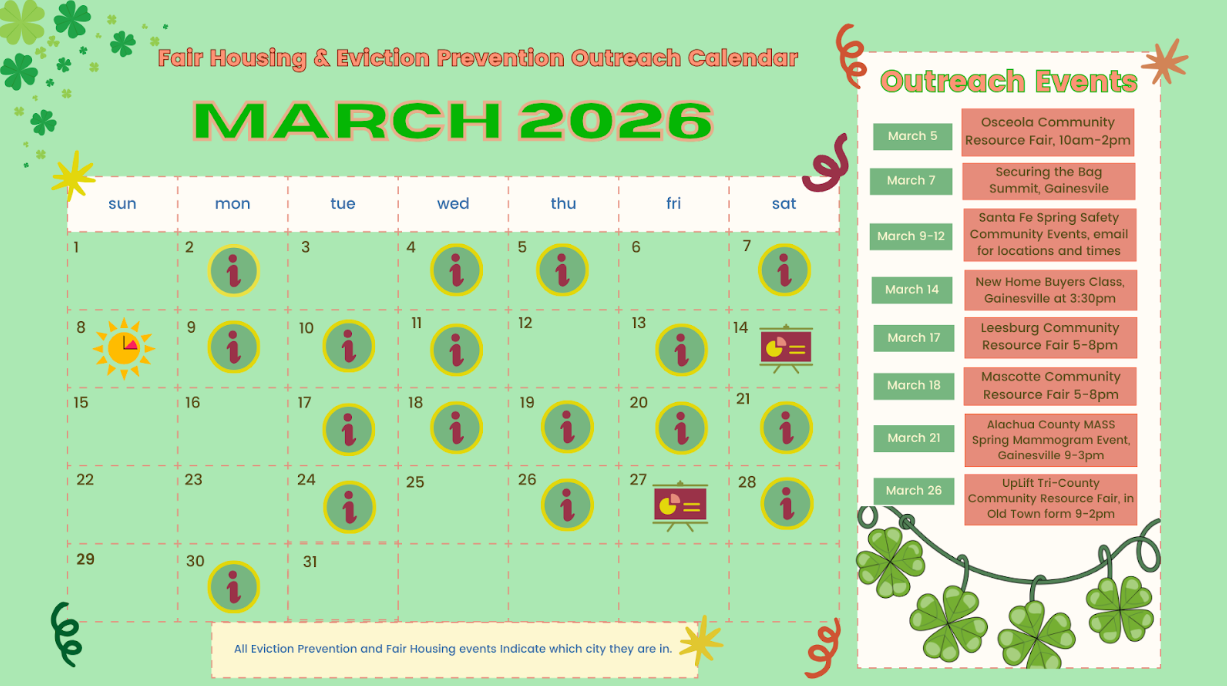
Upcoming Outreach Events
What We’ve Been Up To
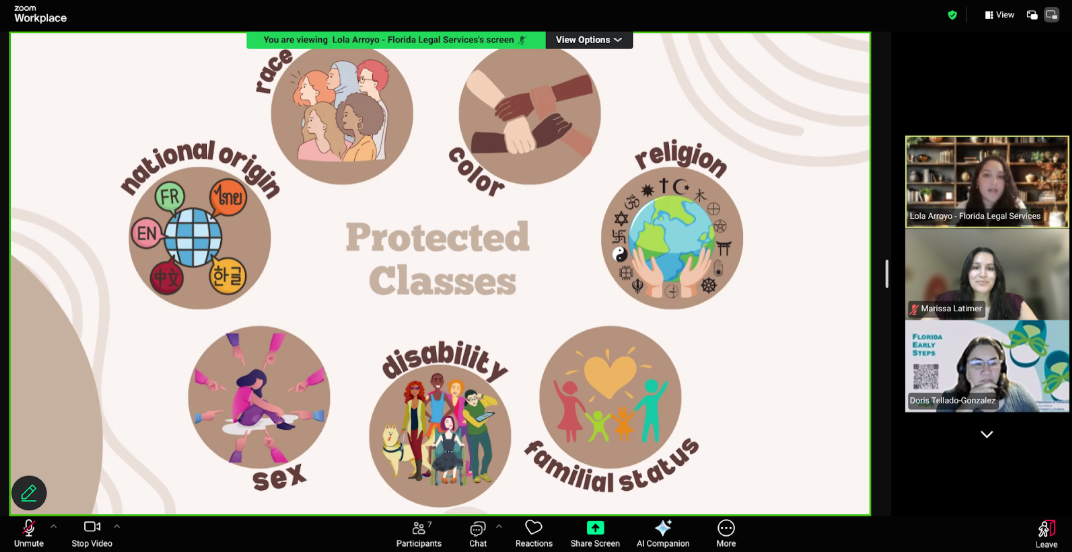
Early Steps Virtual Know Your Rights Presentation
Our Fair Housing and Eviction Prevention teams recently hosted a Know Your Housing Rights presentation for families participating in the Early Steps program. The presentation was conducted in Spanish and focused on educating families about their rights as renters, including protections against housing discrimination and resources available to prevent eviction. This outreach helped ensure that Spanish-speaking families in the community have access to critical legal information and know where to seek help if they encounter housing issues.
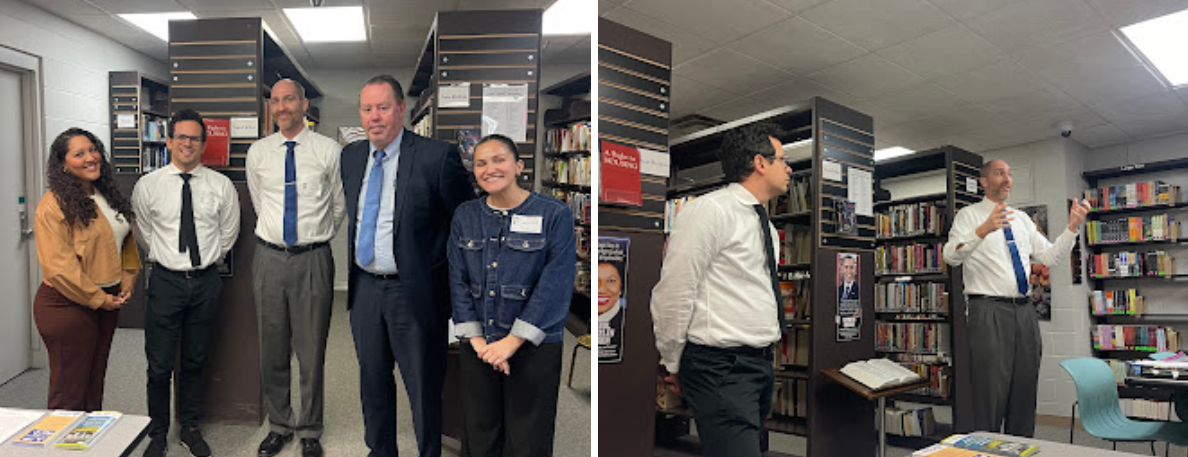
Alachua County Correctional Library Presentation
Thank you to the Alachua County Library System for inviting the Fair Housing and Eviction Prevention teams to present at the Alachua County Correctional Facility. During this presentation, we shared information about eviction prevention resources and fair housing protections with incarcerated individuals. Ensuring that everyone has access to information about their legal rights is an important step in supporting individuals, their families, and successful reentry into the community.

Gainesville Housing Authority (GHA) Talent Show Tabling
GHA invited our Housing Justice projects to participate as a community partner at their Pine Oaks neighborhood talent show. During the event, our Fair Housing and Eviction Prevention teams tabled to share information and resources with residents living in federally subsidized housing. Outreach events like this help ensure community members are aware of their housing rights and know where to seek assistance if they encounter housing issues.
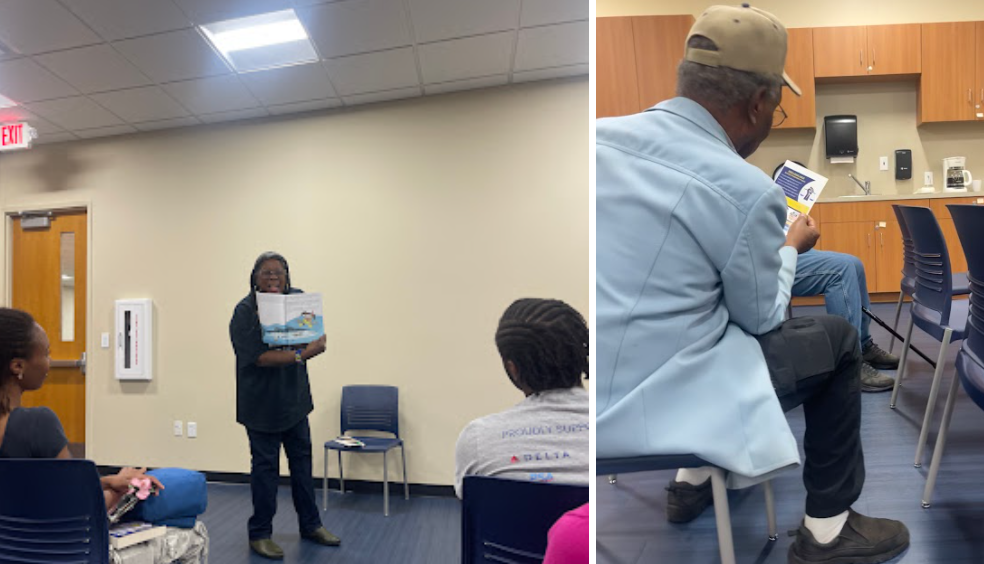
Ocala Library Outreach
Our team recently attended a Read-In event at the Ocala Library, where we shared information about fair housing and eviction prevention with community members and library staff. We always welcome opportunities to connect with the community—if you are hosting a library or community event, feel free to contact us to schedule a presentation.

Alachua County Library Outreach
We are grateful for the opportunity to connect with community members at the Alachua Library and recently had the chance to meet with employees at the Alachua Branch as well. As part of our outreach efforts, we continue expanding to more rural libraries and communities to ensure everyone is aware of our resources and knows how to reach us with questions or concerns. If you are hosting a community event in a rural area, we would be happy to travel and share our information.
Eviction Prevention in Alachua, Brevard, Dixie, Flagler, Gilchrist, Indian River, Lake, Levy, Marion, Orange, Osceola, Putnam, Seminole, St. Johns, Sumter, and Volusia County:
Eviction Prevention Helpline - CALL: 888-780-0443
This helpline supports tenants, in the counties above, facing eviction or other housing-related challenges. Our operators are available to take calls about landlord-tenant disputes, housing authority voucher issues, and other housing concerns impacting low-income renters. Callers will be connected with an attorney who can provide legal advice over the phone and, in some cases, direct legal representation. Call us today to get the help you need!
The federal Fair Housing Act (FHA) protects you from discrimination in housing based on race, color, religion, national origin, sex, disability, and familial status. This applies to renting, buying, mortgages, appraisals, insurance, and looking for a place to live.
IF YOU THINK YOU’VE BEEN THE VICTIM OF HOUSING DISCRIMINATION, PLEASE CONTACT US AT:
407-801- 4224 (English)
850-680-1729 (Spanish)
fairhousing@floridalegal.org
www.floridalegal.org/fairhousing
IF YOU ARE AN ALACHUA COUNTY RESIDENT FACING BARRIERS TO HOUSING OR AN EVICTION, PLEASE CALL AND FOLLOW THE PROMPTS TO REACH A LIVE ALACHUA COUNTY OPERATOR:
888-780-0443 (English and Spanish)
www.floridalegal.org/evictionprevention
The work that provided the basis for this publication was supported by funding under a grant with the U.S. Department of Housing and Urban Development. The author and publisher are solely responsible for the accuracy of the statements and interpretations contained in this publication. Such interpretations do not necessarily reflect the views of the Federal Government.